Steel Equipment Energy Efficiency: Electrical Power Management and High-Efficiency Drives Gain Attention
The steel industry is one of the most energy-intensive manufacturing sectors, with large amounts of electricity consumed by rolling mill main drives, motors, hydraulic systems, cooling systems and other auxiliary equipment. As energy costs and efficiency requirements continue to attract attention, steel producers are increasingly focusing on the relationship between equipment performance and electricity consumption.
A study published in Electric Power Systems Research in July 2026 examined electricity-consumption forecasting in hot-strip rolling processes. The study noted that electricity consumption during hot rolling can fluctuate significantly, particularly during stages such as slab biting, and that accurate energy forecasting can help optimize production planning and reduce operating costs. The researchers also developed a real-time experimental system for electricity-consumption prediction.
1. Rolling Mill Main Drives Are a Key Focus of Energy Management
In both hot and cold rolling mills, the main drive motors operate under substantial loads. Power demand can change significantly during strip or slab biting, acceleration, deceleration and product changes.
As a result, energy management is moving beyond simply monitoring total plant electricity consumption. Steel producers are increasingly interested in analyzing electricity consumption at the equipment and process level, including power consumption per ton of steel.
The 2026 research on hot-strip rolling highlights the dynamic nature of electrical loads during production and demonstrates how production data can be used to predict energy consumption and optimize energy usage.
2. High-Efficiency Motors and Drives Support Equipment Upgrades
For older rolling mills, aging motors and drive systems can result in lower efficiency, higher maintenance requirements and difficulties in obtaining spare parts.
A recent ABB modernization project at Kanthal's rolling mill in Sweden provides a practical example. The existing DC motor and drive system had been operating for nearly 70 years. ABB replaced the system with a new AC drive solution, together with a new motor, transformer, control system and gearbox.
According to ABB, the modernization improved reliability, uptime and productivity while reducing maintenance costs and energy consumption. The project also reduced total harmonic distortion from approximately 30% to 3–4%.
The project demonstrates that upgrading motors and drive systems can address not only equipment aging but also energy-efficiency and power-quality requirements.
3. Power Quality Is Also Important for Rolling Mills
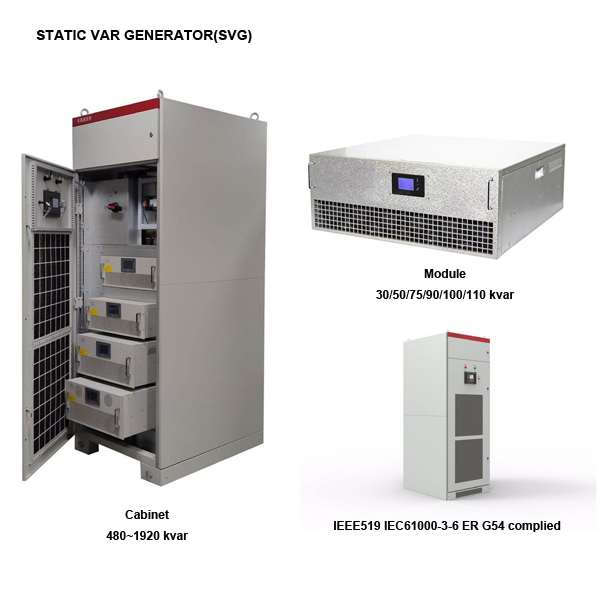
Electricity management is not limited to the amount of power consumed. Power quality is also an important consideration for modern rolling mill electrical systems.
Large motors, variable-frequency drives and power-electronic equipment can affect the plant's electrical network through harmonics, voltage fluctuations and power-factor issues.
Modern rolling mill electrical systems therefore increasingly consider:
- Main motor efficiency
- Drive efficiency
- Power factor
- Harmonic control
- Load fluctuations
- Regenerative braking
- Auxiliary equipment consumption
Improving power quality and optimizing drive systems can help maintain stable rolling performance while improving the overall electrical efficiency of the production line.
4. Auxiliary Equipment Is Also a Major Energy-Saving Target
Electricity consumption in a rolling mill does not come only from the main rolling motors.
Hydraulic systems, cooling-water pumps, fans, coilers, uncoilers and other auxiliary equipment can also represent significant electricity consumption.
Danieli's green steel technologies include solutions designed to optimize energy consumption through medium-voltage variable-frequency drives. Its Q-Water system also uses automation to coordinate water-treatment and cooling equipment with actual production requirements, helping avoid unnecessary operation of pumps and cooling equipment.
This demonstrates that rolling mill energy efficiency needs to be considered at the main drive, auxiliary equipment, automation and energy-management levels rather than focusing on a single component.
5. Digitalization Is Entering Rolling Mill Energy Management
With the development of PLCs, sensors, industrial networks and data-analysis technologies, steel producers can collect much more detailed information about equipment performance.
For example, a rolling mill can monitor:
Motor current → Motor power → Rolling load → Rolling speed → Production output → Electricity consumption per ton
These data can then be used to compare energy consumption under different products, speeds and operating conditions.
The 2026 hot-strip rolling research follows this direction by using production-process data and advanced learning methods to predict electricity consumption in real time.
In the future, energy-management systems may therefore provide more than a simple measurement of electricity consumption. They could help answer questions such as:
- Why has electricity consumption increased?
- Which equipment is consuming more energy than expected?
- Which production parameters are more energy-efficient?
- How can production scheduling reduce overall electricity demand?
6. Lifecycle Energy Consumption Is Becoming More Important
For large steelmaking equipment, the initial purchase price represents only part of the total cost.
Over the operating life of a rolling mill, electricity costs, maintenance expenses, downtime losses and spare-parts costs can have a significant impact on the overall return on investment.
As a result, when building a new rolling mill or modernizing an existing one, steel producers increasingly need to evaluate:
Initial Investment → Energy Consumption → Maintenance Cost → Equipment Lifetime → Production Efficiency
From this perspective, upgrading motors, drives, electrical control systems and energy-management systems is not simply an electrical improvement. It can directly affect the long-term economic performance of the entire rolling mill.
Market Outlook
Rolling mill energy management is gradually developing from traditional energy saving toward a more integrated approach combining energy data management, high-efficiency drives and intelligent process control.
Future technology development is expected to focus on:
High-Efficiency Motors
Improving energy efficiency in main drives and auxiliary equipment.
Advanced Variable-Frequency Drives
Adjusting motor operation according to actual load requirements to reduce unnecessary energy consumption.
Regenerative Braking
Exploring the recovery and reuse of braking energy in equipment with frequent acceleration and deceleration.
Intelligent Power Monitoring
Monitoring electricity consumption at both equipment and process levels.
Production-Energy Optimization
Combining production planning, rolling parameters and energy data to improve overall energy efficiency.
Conclusion
Overall, electricity consumption is becoming an increasingly important performance indicator for modern rolling mill equipment.
Recent 2026 research has demonstrated the potential of using advanced data analysis and real-time prediction to manage electricity consumption in hot-strip rolling, while ABB's rolling mill modernization project shows how upgrading motors and drive systems can improve equipment reliability, productivity and energy performance.
As steel producers continue to pursue lower operating costs and higher production efficiency, future rolling mill upgrades are likely to place greater emphasis on high-efficiency motors, variable-frequency drives, electrical control systems, power-quality management and intelligent energy monitoring.
The focus of modern steel equipment is therefore gradually shifting from simply asking “How much can the machine produce?” to also asking “How much electricity is required to produce each ton of steel?”
This shift is expected to make energy-efficient electrical and drive technologies an increasingly important part of rolling mill modernization.